

Singapore Property Investment Strategies
We do not rely on market sentiment. We rely on market data. Explore our strategic frameworks designed to identify defensive assets, structure calculated entry points, and position your portfolio for maximum upside.
How Singapore Property Strategy Differs by Audience
Strategy frameworks only work when they match the reader's actual situation. An HDB upgrader navigating a sell-before-buy timeline has a mathematically different question from a first-time condo buyer stress-testing affordability, or an investor mapping a 5-7 year exit. The frameworks collected on this hub organize accordingly — read the audience block that fits your season, then proceed to the relevant guide.
HDB upgrader strategy
HDB upgrader strategy centres on timing the transition without cashflow gaps. The core math involves mapping your current flat's resale proceeds, CPF refund obligations, and upgrade gap against private condo entry pricing — all sequenced against a realistic sell-before-buy or buy-before-sell timeline. The frameworks here address that sequencing, not generic "should you upgrade" advice.
First-time condo buyer framework
First-time condo buyers face a different filter: affordability stress-testing, layout selection, and location fit for a 7-10 year hold. The math centres on housing ratio discipline, emergency buffer after all acquisition costs, and whether the unit has genuine exit demand to the next buyer segment. The frameworks here walk through that filter without developer-side marketing bias.
Property investor strategy
Property investors operate with different constraints — ABSD exposure, existing portfolio positioning, and an explicit exit horizon typically 5 to 7 years out. The strategic question is less "can I afford this" and more "what does my future buyer look like, and will this asset still match their demand then". The frameworks here map entry decisions back from that exit audience.
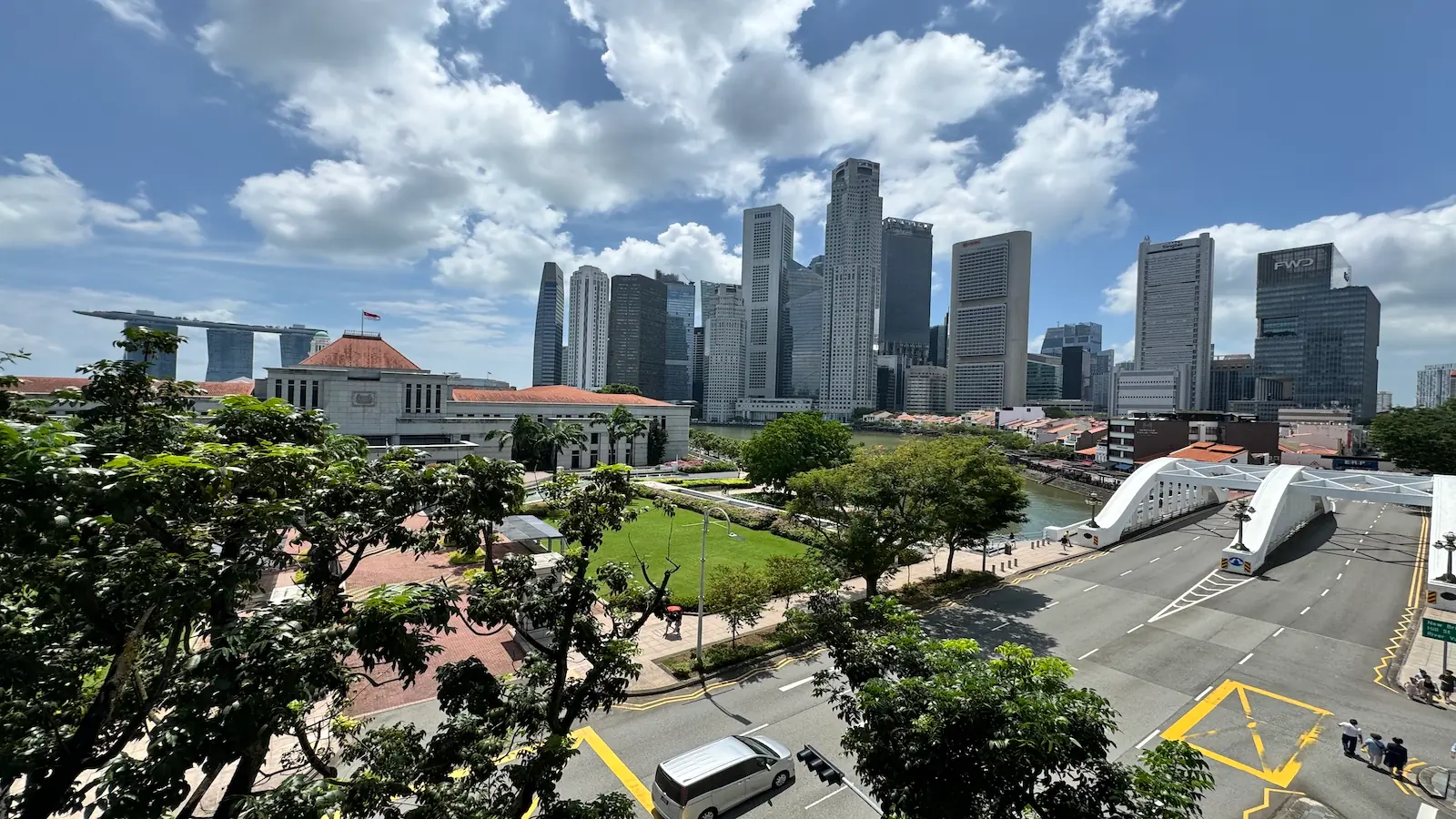
Singapore Condo Prices: 20-Year Data Study
Twenty years of Singapore condo prices charted across CCR, RCR and OCR, with every cooling measure and major global event mapped against the data.
Explore the 20-Year Study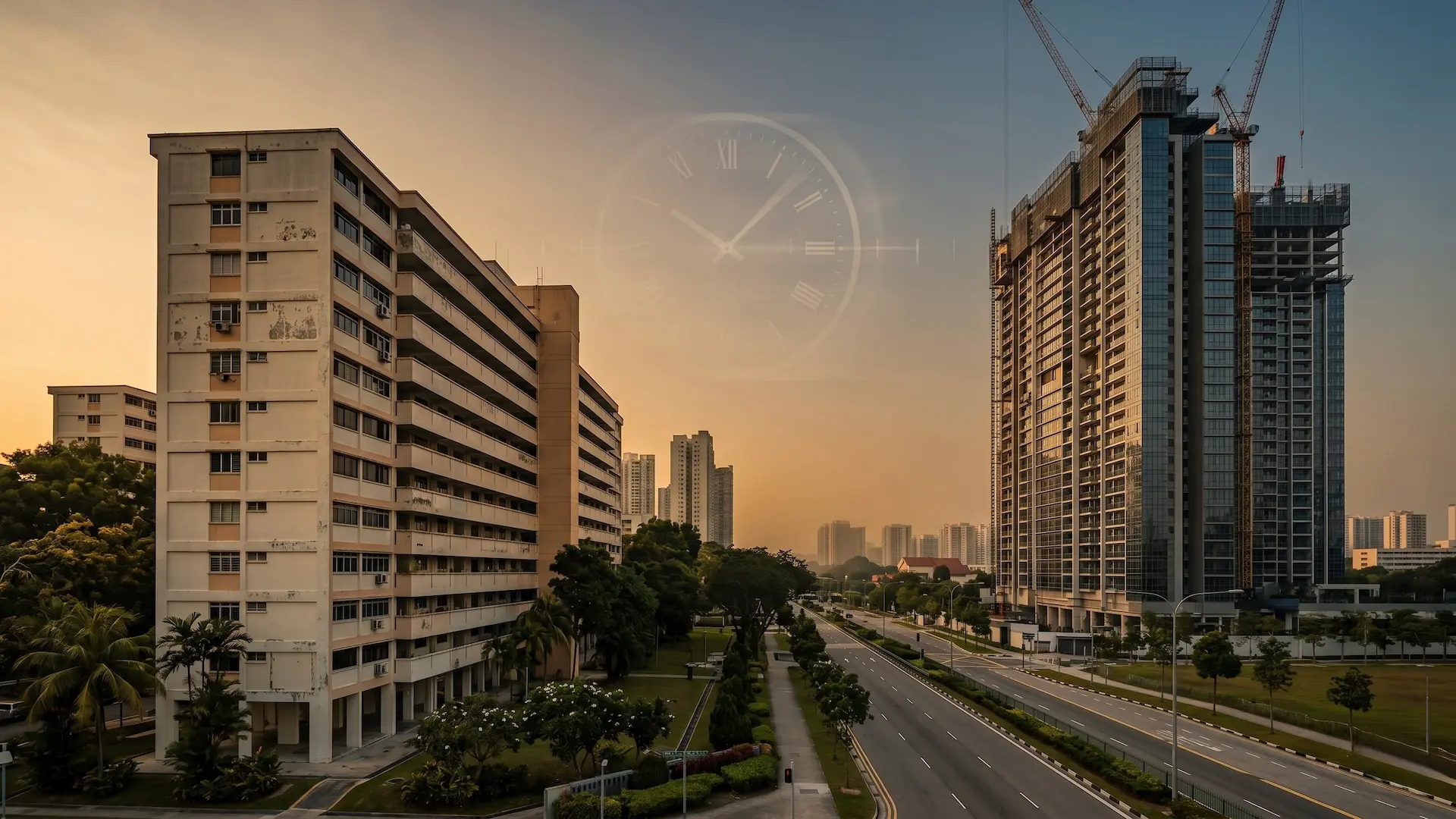
99-Year Leasehold: The Two Clocks Problem
Thirty years of URA data on 99-year leasehold resale prices, and why the Bala curve was never built to forecast your unit's value.
Read the 30-Year Study
The GFA Harmonization Reset
Decode the 2023 GFA Harmonization. Learn why the PSF math on new launches is distorted and how to calculate true usable space.
Decode GFA Harmonization
2026 Ultimate Guide for Savvy Buyers – GOLD EDITION
The definitive playbook for Singapore property buyers and upgraders. Data-driven insights, layout efficiency, and clear exit strategies.
Read the 2026 Ultimate GuideSpeak Directly With the Founders.
Many of our clients prefer an immediate, private conversation to discuss their portfolio. Tap below to connect directly with Sam and Lisa to strategise your next move.
Singapore Property Strategy FAQ: Investment, Rules & Decisions
A property strategy in Singapore is a structured plan for entering, holding, and exiting the private residential market based on your financial capacity, audience (first-timer, HDB upgrader, investor), and time horizon. It combines affordability math, layout and location filters, and a clear exit narrative — framed independently of developer marketing.
Singapore property has historically corrected, digested, and recovered through cooling measures and global crises rather than crashing — supported by regulated supply and high household wealth. Whether it remains a good investment for you depends on affordability, holding power, and whether the specific asset has credible layout efficiency and exit demand, not a market-wide yes or no.
Property investment is worth it when the math works — when your housing ratio stays below 35–40% of gross income, a 6–12 month emergency buffer survives post-purchase, and the unit has a defensible exit audience. Run your exact numbers through the Gap Decoder affordability calculator before committing. For some households, staying in HDB or investing elsewhere is mathematically stronger — the answer depends on your numbers, not the market.
The 99:1 rule refers to an ownership-split arrangement previously used to manage ABSD exposure when buying a second property. Following IRAS's 2023 clarification, structures where tenancy-in-common shares were split purely to sidestep ABSD are treated as tax avoidance. Any decoupling or joint-ownership planning today needs to be structured around genuine financial contribution, not percentage gymnastics.
The 50/30/20 rule allocates 50% of take-home income to needs (including housing), 30% to wants, and 20% to savings or investments. Applied to Singapore property, it is a useful sanity check against over-commitment — if your proposed monthly instalment pushes total housing costs above roughly 35–40% of gross income, the 50/30/20 frame is already flagging stress before TDSR does.